01
Board orientation
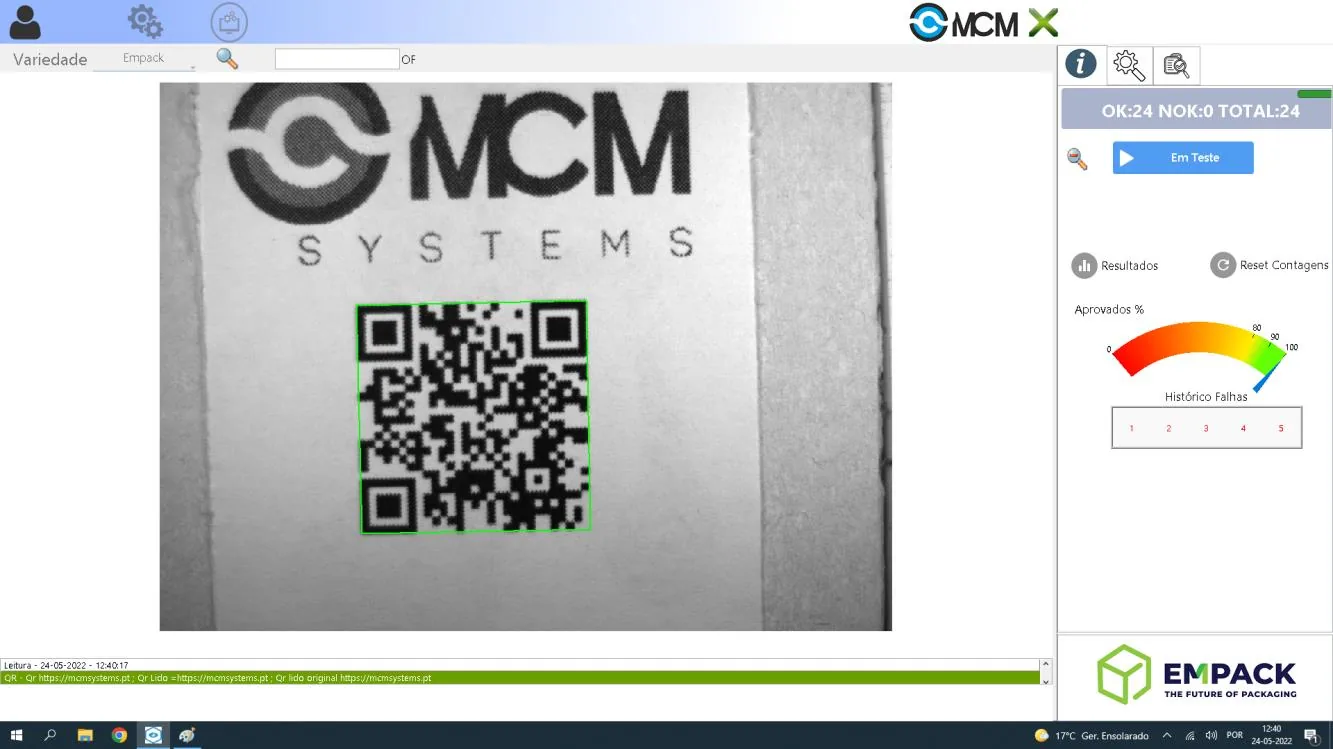
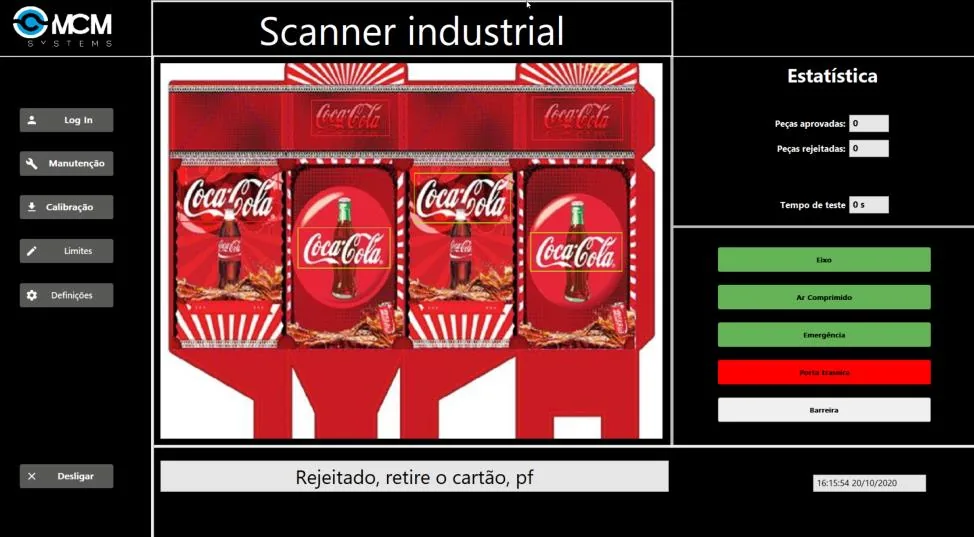
Detect whether sheets reach converting equipment inverted and verify the correct board using image references, 1D/2D codes or OCR.
MCM develops tailored and replicable inspection systems for packaging and corrugated-board lines. The goal is practical: collect repeatable quality information in real time, detect defects earlier and connect the decision to the production process.
PDF overview with the packaging inspection range, typical checks and production-line applications.
Download the uploaded PDF from the Customizer with the packaging inspection range, typical checks and production-line applications.
MCM's packaging work covers more than a single camera check. Depending on the machine and product, the system can verify board orientation, print and registration, barcodes and OCR, glue presence, crease quality, dimensions, stack curvature and process defects.
The inspection method is selected around the defect and line conditions. Projects can combine 2D vision, 3D laser triangulation, linear cameras, controlled industrial lighting and artificial-intelligence classification with production I/O and traceability.
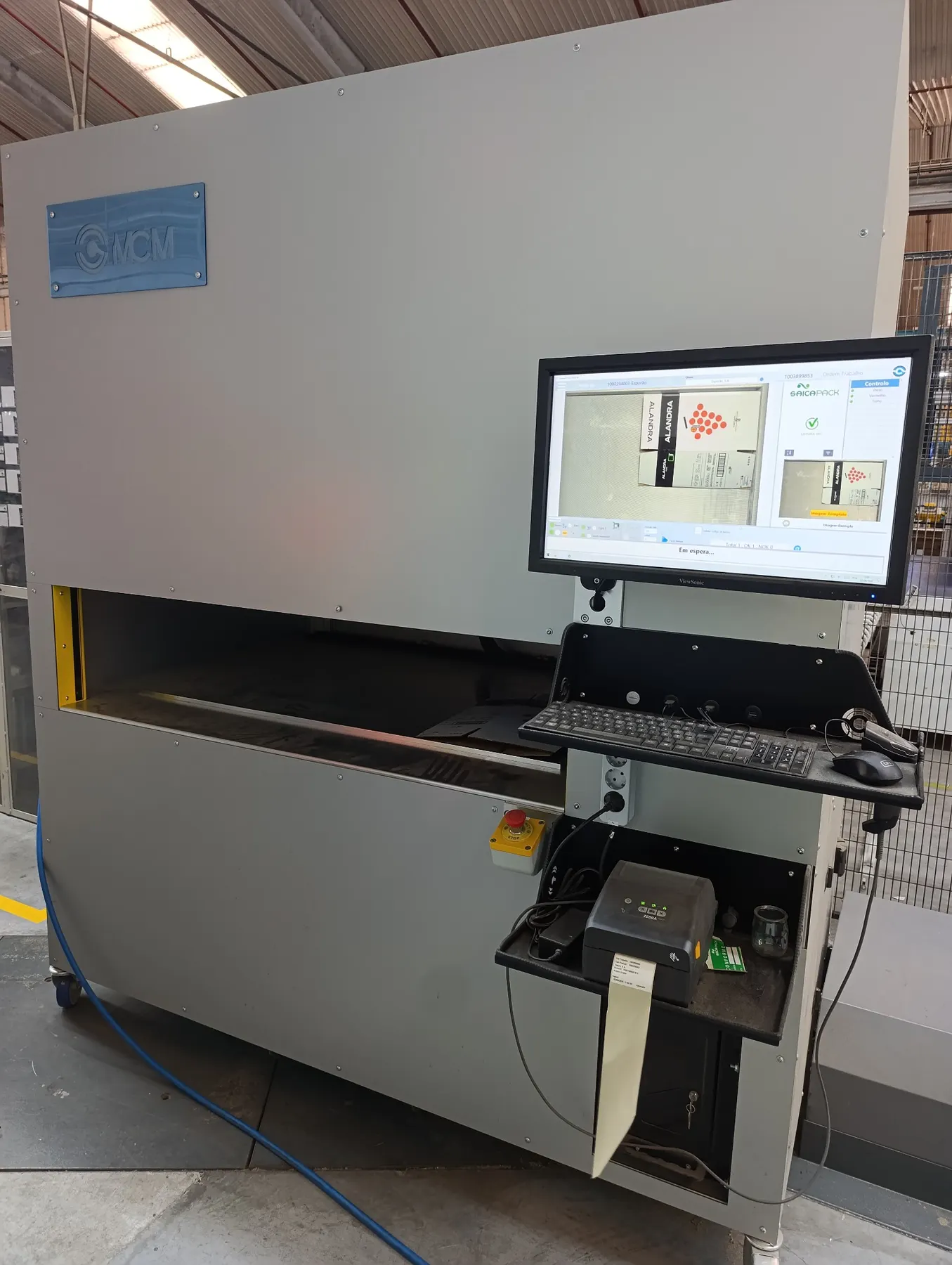
These photographs show real MCM equipment and corrugated-board inspection environments. They illustrate the type of installation, controlled illumination and line access considered during packaging projects.
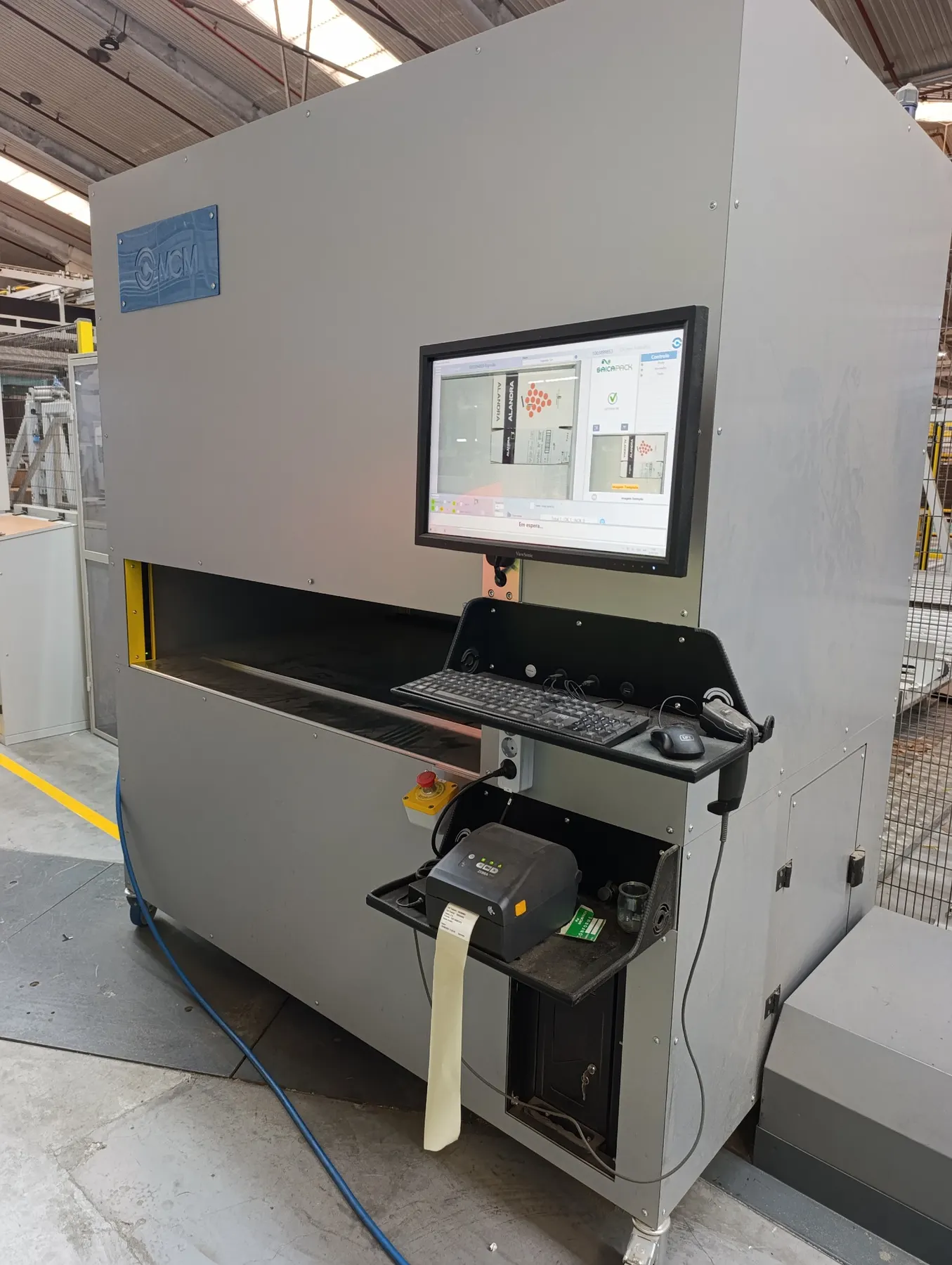
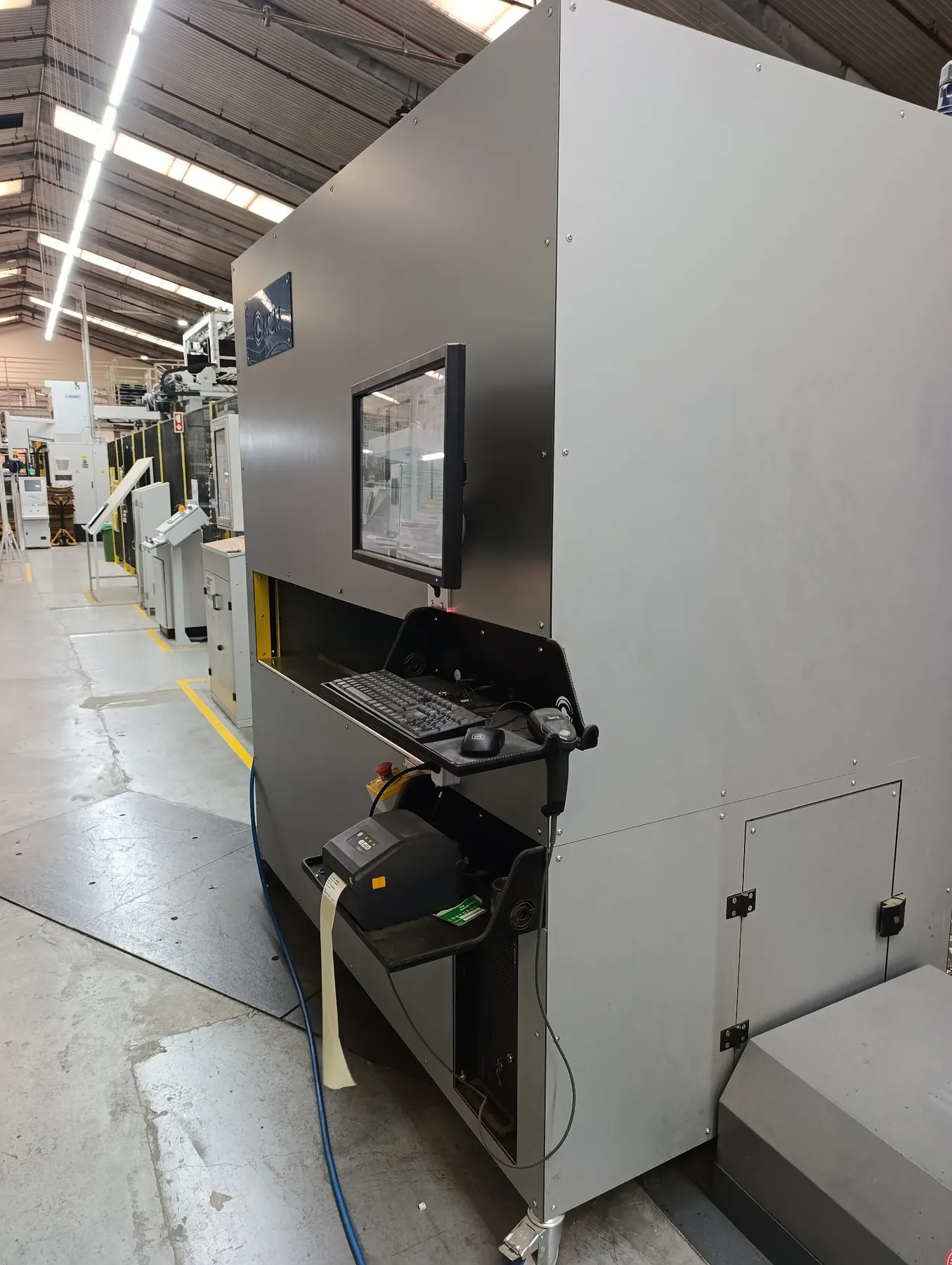
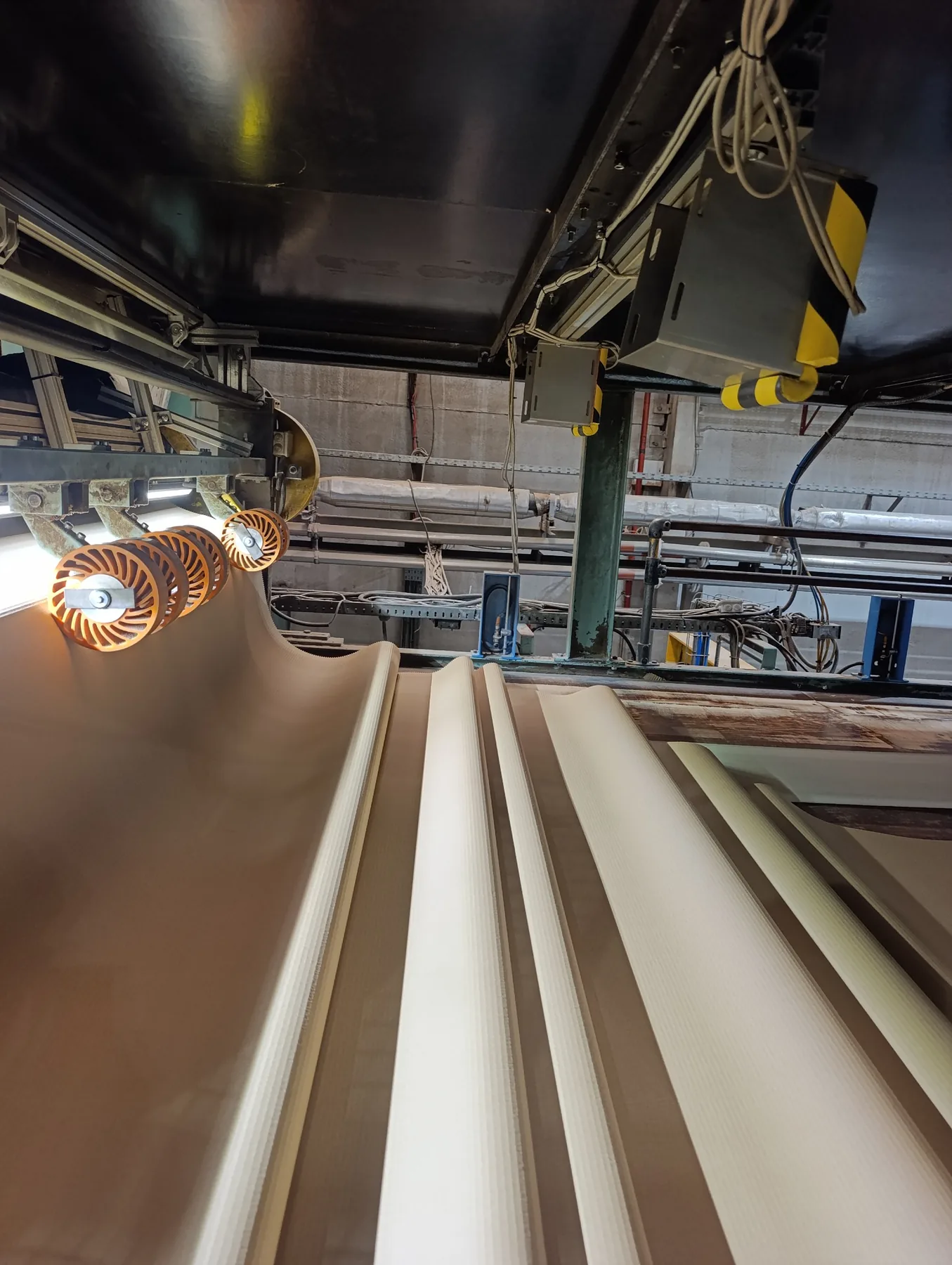
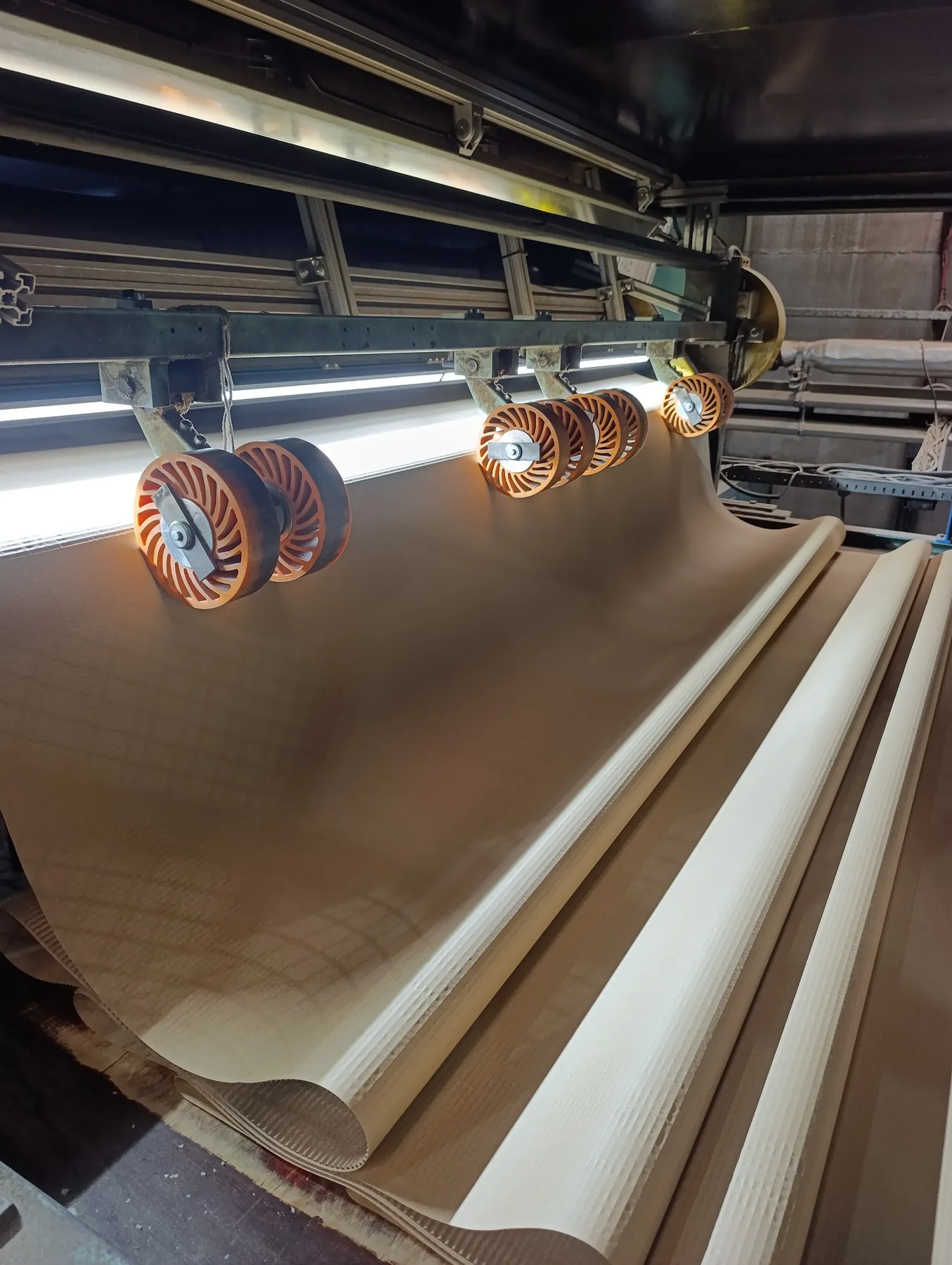
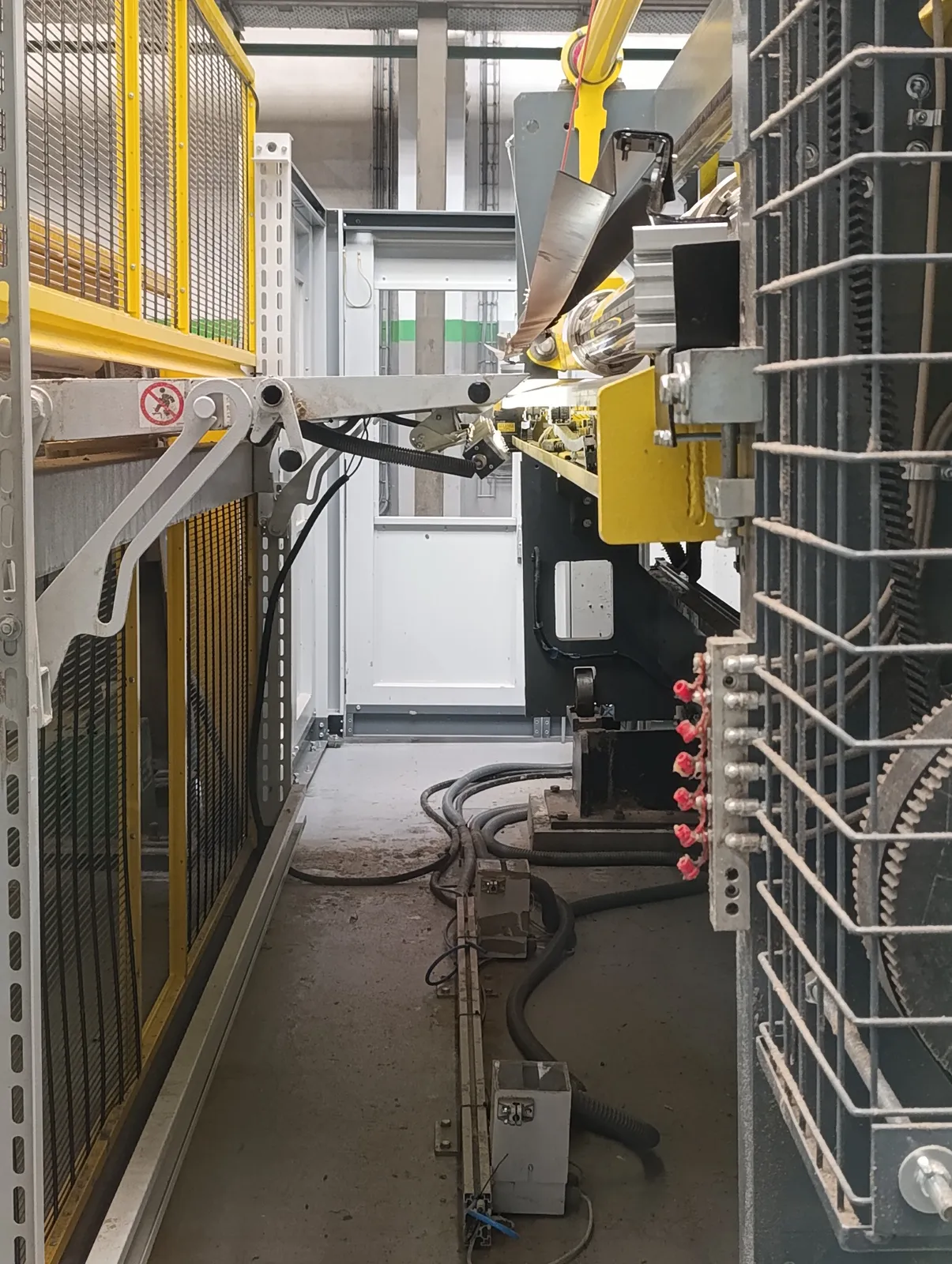
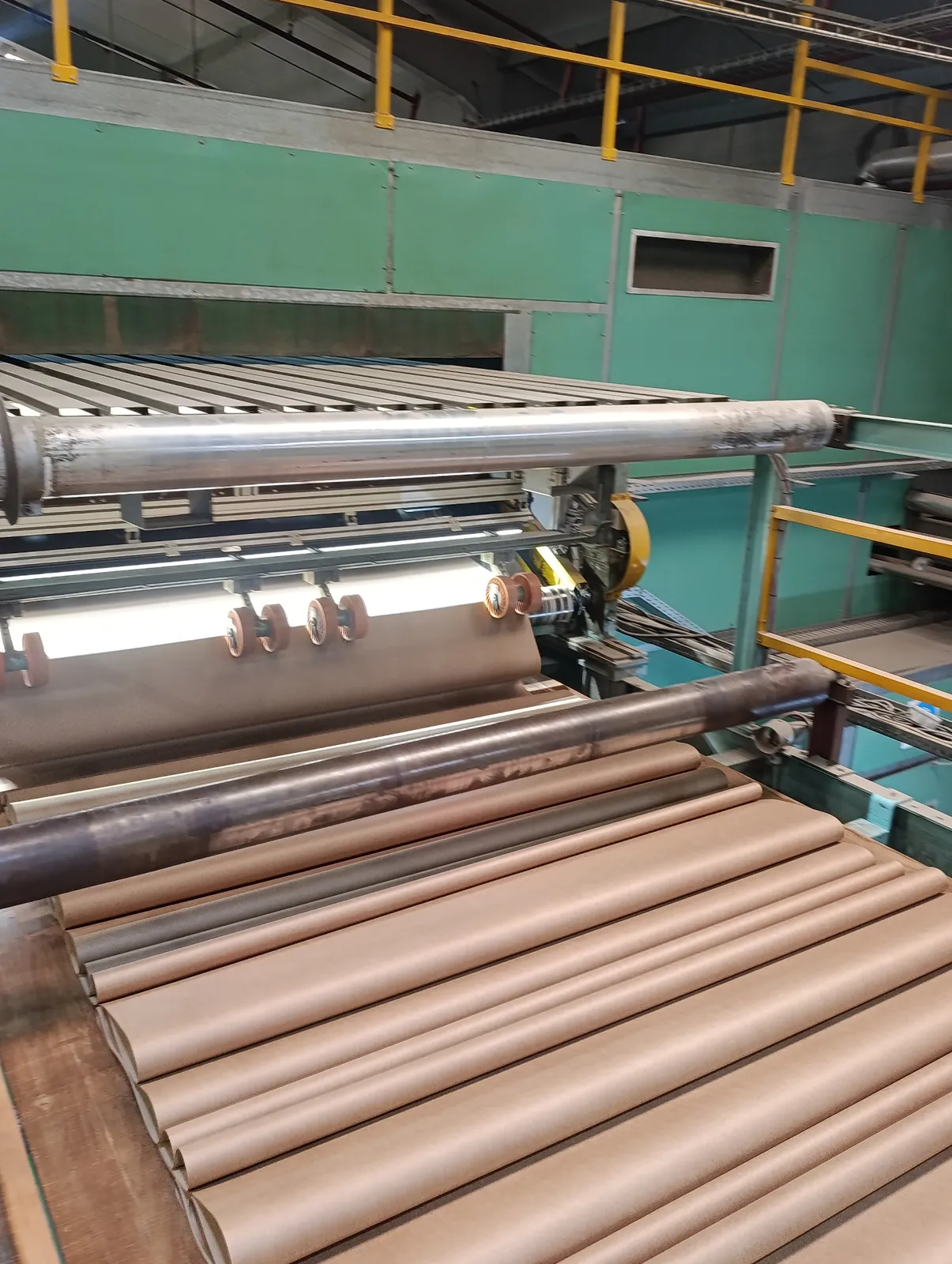
The exact scope depends on the product, machine and acceptance criteria. These are established examples from MCM's packaging work.
Detect whether sheets reach converting equipment inverted and verify the correct board using image references, 1D/2D codes or OCR.
Measure print lag, compare colour or artwork and check registration against configured references.
Inspect glue presence and gap conditions in case-making applications.
Measure and track crease functionality with configurable limits, repeatable measurements and production-order history.
Measure upper stack curvature after the corrugator using 3D laser triangulation without stopping the stack.
Use controlled lighting and image analysis to identify defects caused by the process or raw material and classify them for action.
Some systems inspect continuously on the production line; others provide controlled measurement away from the line. MCM adapts the architecture to the required decision.
Inline system installed inside the corrugator to detect process or raw-material defects. The documented configuration uses two high-resolution linear cameras, dark-field industrial lighting and AI-based image processing.
Vision system that verifies whether sheets reach the die-cutter inverted. It can also decode 1D/2D barcodes and OCR, measure print lag, run registration checks and warn or stop the machine when required.
3D measurement system for tracking the upper curvature of sheet stacks after the corrugator. Laser triangulation provides measurement without stopping the stack.
Portable measurement system for checking crease functionality, correlated behaviour and washboard with configurable test limits and automatic calibration.
Complete offline tester for a sheet or board. A variety editor configures the required tests and acceptance limits for each product.
On-the-fly curvature measurement for individual boards, with differentiated left, centre and right values and configurable warning or stop limits.
End-of-process inspection for checking corrugated-board gap before palletising against configured lower, upper and position limits.
Documented MCM packaging software includes product databases, manufacturing codes, production history, configurable tests, user management, camera control and images of recent rejections. This lets the quality decision be connected to the product variety and the production record.
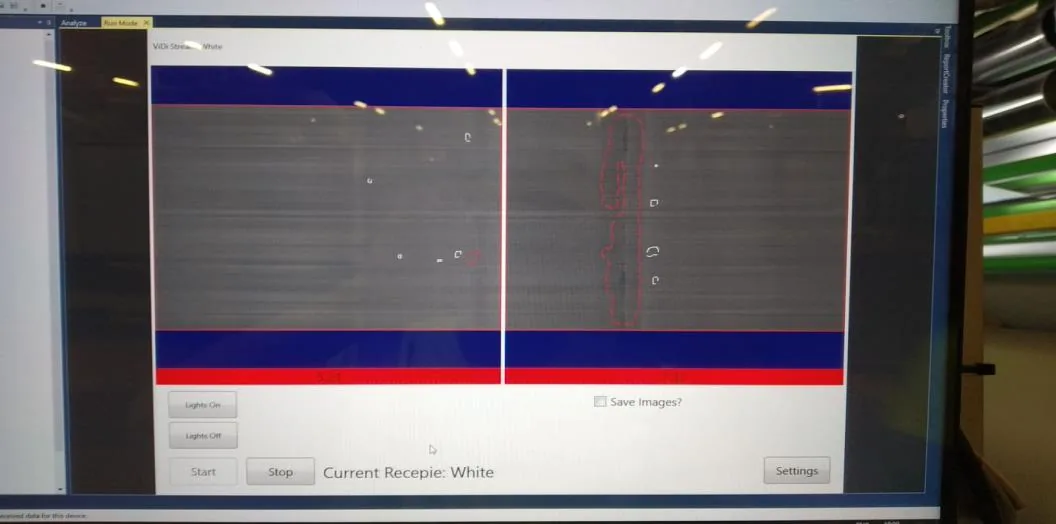
The documented Unglued Detector is designed to work inside the corrugator. Two high-resolution linear cameras acquire the surface while industrial dark-field lighting highlights defects and reduces sensitivity to external lighting disturbances.
The acquired images can be processed by an AI-based system trained to learn new defect classes and decide what should be approved or rejected. The system can exchange size and speed information with the line and use configurable I/O to warn, slow down or stop the corrugator where the installation allows it.
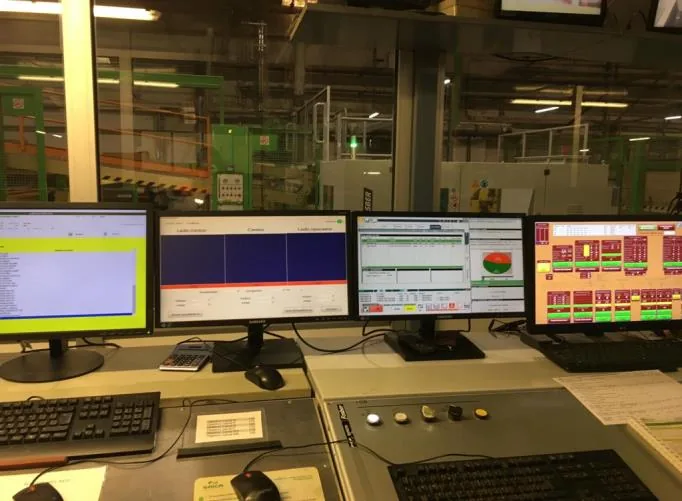
A documented project developed by SAICA PACK and MCM Systems applies industrial vision to corrugator defects that can be difficult for operators to see while they are being produced. The inspection concept covers both Single Facers and the outfeed of the Double Backer, with detected failures made visible at the main control desk.
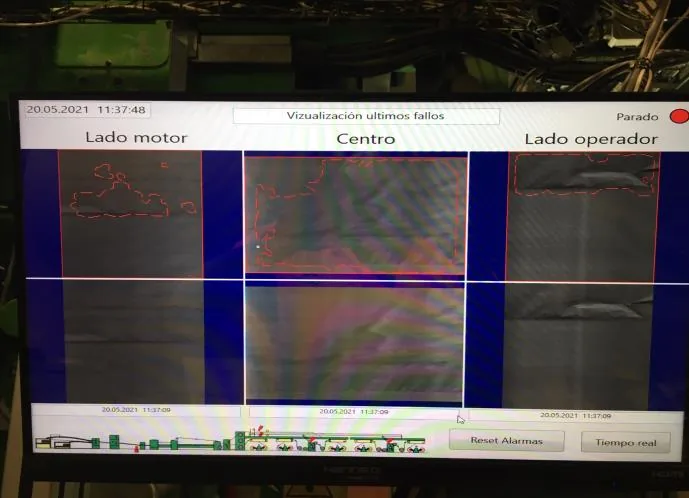
The system was trained around real corrugated-board defects. The examples below come from the documented project material and show the type of variation the inspection has to distinguish on the moving web.
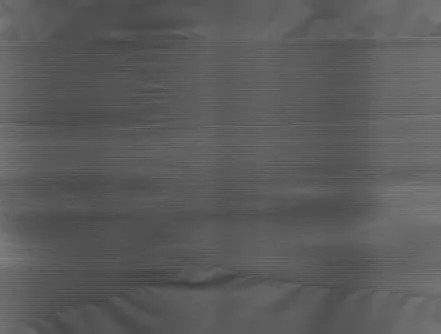
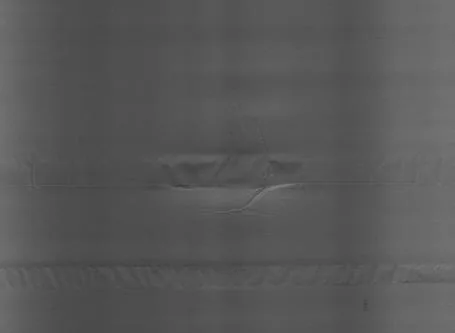

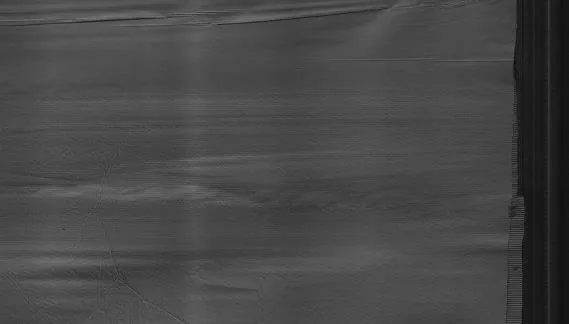
For massive delamination, the documented system learning was used to detect the condition and trigger the response selected by the production team. The project material lists slowdown, stop and rotary-shear actions, while a downstream reject after cut-off was identified as an option to investigate.
Make defects visible to the Single Facer or corrugator team while there is still time to correct the process.
Identify non-conforming material at the corrugator so it does not continue unnoticed to conversion or the customer.
Where the production architecture allows it, detection can support a defined slowdown, stop or cutting action.
Cameras, 3D sensors or measurement tools capture the characteristic that matters.
Configured limits, image processing or AI classification turn the measurement into a quality decision.
The result can warn the operator, stop or slow the machine, or connect to a reject mechanism depending on the project.
Production-order data, results and defect history can be stored or exchanged with the customer’s management system.
If the requirement goes beyond one packaging product, the application can be developed as a wider machine-vision, testing or traceability project.
Share representative good and bad samples, approximate dimensions, line speed and the action required after detection. MCM can then define the most practical inspection route.
 English English
  Portuguese
 French
 Spanish