What is an unglued carton defect?
An unglued or partially glued seam can compromise the final carton even when the rest of the product appears correct. If the defect reaches downstream operations or the customer, it can create handling problems, rework and rejected production.
Why inline detection is useful
Manual checks are valuable for process supervision but are difficult to apply consistently to every fast-moving product. An inline system can inspect the relevant seam area as cartons pass the inspection point and make a repeatable decision for each product.
How camera and lighting are used
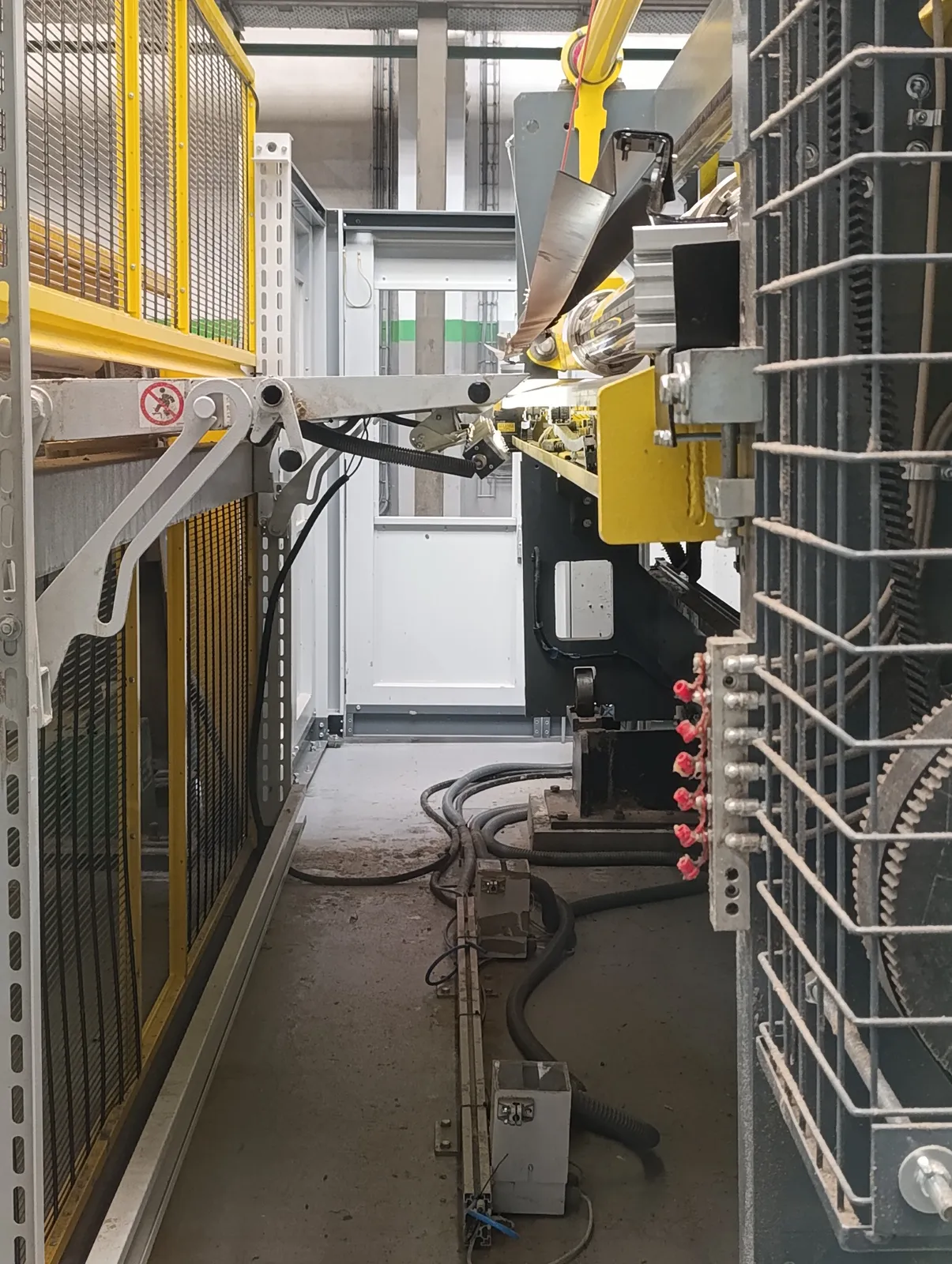
The inspection geometry is designed around the seam, product movement and available space. Controlled lighting helps separate the relevant feature from normal material variation, while one or more industrial cameras capture the area needed for the decision.
Software then evaluates the expected seam condition. The exact method depends on the carton design and visible characteristics; it may use classical image-processing rules or a more advanced classification approach when appearance varies significantly.
Integration with the production line
A practical solution must synchronize acquisition with product movement and communicate the decision to the line. The result can be used for rejection, an operator alarm, counting or traceability. Mechanical supports, guarding, cabling and maintainability are part of the engineering task.
Design around real carton samples
The most important feasibility work happens with representative good and defective samples. This establishes whether the defect is visually distinguishable, which viewing angle is appropriate and how production variation affects reliability.
For corrugated and carton applications, visit MCM Packaging Inspection or send sample information through Can We Inspect This?.
 English
  Portuguese
  French
  Spanish